
Many people in Ireland are unsure whether they need a Notary Public or a Solicitor — and the confusion is understandable, since many notaries (including Hugh Phelan) are also qualified solicitors. But the two roles are distinct, and using the wrong professional for your needs can result in documents being rejected or additional costs and delays. This guide explains clearly when you need each.
The Roles Explained
Solicitor
A solicitor is a qualified legal professional who provides a wide range of legal services including:
- Conveyancing (property purchases and sales)
- Litigation (court proceedings)
- Family law (divorce, separation, custody)
- Wills and probate
- Commercial and corporate law
- Employment law
- Criminal law
Solicitors are regulated by the Law Society of Ireland and must hold a practising certificate. Most solicitors are also Commissioners for Oaths, meaning they can administer oaths and witness statutory declarations for domestic purposes.
Notary Public
A Notary Public is a specialist legal professional whose primary function is authenticating documents for international use. Key aspects of the role include:
- Notarising documents with an official seal recognised worldwide
- Certifying true copies for international use
- Witnessing signatures on documents for foreign jurisdictions
- Preparing documents for apostille and legalisation
- Administering oaths for international purposes
Notaries Public are appointed by the Chief Justice of Ireland, must hold the Diploma in Notarial Law and Practice, and are regulated by the Faculty of Notaries Public in Ireland.
When You Need a Solicitor
- Buying or selling property in Ireland
- Making a will
- Getting divorced or separated
- Defending or bringing a court case
- Setting up a company in Ireland
- Employment disputes
- Any domestic legal matter
Watch: Hugh Phelan — Notary Public, Douglas, Cork
When You Need a Notary Public
- Any document that needs to be used in another country
- Powers of Attorney for foreign property transactions
- Certified copies of passports, degrees, or birth certificates for foreign use
- Documents required by foreign embassies or consulates
- Corporate documents for international business
- Affidavits or declarations for foreign legal proceedings
- Any document that requires an apostille or embassy legalisation

The Commissioner for Oaths Option
There's a third option that sometimes comes into play: the Commissioner for Oaths. Most solicitors in Ireland are automatically Commissioners for Oaths. A Commissioner can:
- Witness statutory declarations
- Administer oaths for affidavits
- Certify copies of documents
However, a Commissioner for Oaths' authority is limited to domestic Irish purposes. Their stamp and signature do not carry international recognition. For a detailed comparison, see our article on statutory declarations vs affidavits.
The Simple Rule
If your document is for use in Ireland only → a Solicitor or Commissioner for Oaths is usually sufficient.
If your document is for use abroad → you need a Notary Public.
The Advantage of a Dual-Qualified Professional
Hugh Phelan is both a Solicitor and a Notary Public, which means he can handle both domestic legal matters and international document authentication. This is particularly useful when your matter involves both elements — for example, if you are selling property in Ireland and buying property abroad, Hugh can handle both the conveyancing (as solicitor) and the notarisation of documents for the foreign purchase (as notary) in a single, seamless service.
Contact Hugh Phelan
Whether you need a solicitor, a notary, or both, Hugh Phelan can help. Contact his office in Douglas, Co. Cork to discuss your requirements.
Call 021-489-7134, email info@phelansolicitors.com, or book an appointment online.
📚 Related Guides
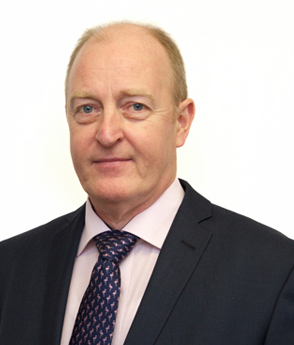
Hugh Phelan — Notary Public Cork
Solicitor & Notary Public appointed by the Chief Justice of Ireland. Over 20 years' experience. BCL (UCC), dual-qualified Ireland & England/Wales.
📍 Notary Public Cork — Hugh Phelan
Need a Notary Public in Cork? Hugh Phelan is a Solicitor & Notary Public appointed by the Chief Justice of Ireland, based at East Douglas Street, Douglas, Cork. Same-day appointments available.
Looking for a Notary Public in Cork?
Hugh Phelan is a Solicitor & Notary Public appointed by the Chief Justice of Ireland. Same-day appointments available.
Notary Public Cork — Book Now📞 +353-21-489-7134 · East Douglas Street, Douglas, Cork
Also see: Cork Notary Public