
Cork is home to a large and diverse engineering community. From civil and structural engineers working on Cork's infrastructure projects to chemical and process engineers in the pharmaceutical sector, software engineers in the technology industry, and mechanical and electrical engineers across manufacturing, the engineering profession is central to Cork's economy. Engineers who work internationally — or who need their qualifications recognised abroad — frequently require notary services.
Professional Registration Abroad
Engineers seeking to practise in other countries need their qualifications recognised by the relevant professional body. This typically requires notarised copies of:
- Engineering degrees — BE, BEng, BSc Engineering, MEng, MSc, and PhD certificates from UCC, MTU, or other institutions
- Chartered Engineer status — CEng designation from Engineers Ireland
- Professional membership certificates — MIEI, FIEI, or equivalent membership of Engineers Ireland
- Academic transcripts — detailed records of modules and grades
- Professional experience statements — documented experience for Chartered status applications abroad
International Engineering Registration Bodies
Common destinations where Cork engineers seek registration include:
- UK — Engineering Council UK (CEng, IEng, EngTech) — Ireland and the UK have mutual recognition through the Washington Accord and bilateral agreements
- Australia — Engineers Australia — assessment through the Washington Accord or direct application
- Canada — Provincial engineering associations (PEO in Ontario, APEGA in Alberta, etc.)
- United States — State licensing boards for Professional Engineer (PE) licence
- Middle East — various engineering bodies in the UAE, Saudi Arabia, and Qatar
- Singapore — Professional Engineers Board
Each of these bodies requires authenticated qualification documents, typically notarised and apostilled.
Watch: Hugh Phelan — Notary Public, Douglas, Cork
Engineering Sectors in Cork
Cork's engineering community spans multiple sectors:

- Pharmaceutical and bioprocessing — Cork's pharma cluster employs large numbers of chemical, process, and validation engineers
- Technology — software, electronic, and systems engineers at Apple, VMware, Dell, and numerous tech companies
- Civil and structural — engineers involved in Cork's construction and infrastructure development
- Energy — renewable energy, power generation, and energy efficiency engineers
- Marine — naval architecture and marine engineering connected to the Port of Cork
- Food and beverage — process and production engineers in Cork's food manufacturing sector
Project Documentation
Engineers involved in international projects may need notarised documentation for:
- Tender submissions — pre-qualification documents, professional indemnity insurance certificates, and company credentials
- Contract execution — international engineering contracts may require notarised signatures
- Regulatory submissions — engineering reports and certifications for foreign regulatory authorities
- Expert reports — engineering expert opinions for international legal proceedings
The Washington Accord
Ireland is a signatory to the Washington Accord, an international agreement that provides for mutual recognition of engineering qualifications between signatory countries. While this facilitates recognition, the receiving country's professional body typically still requires authenticated (notarised and apostilled) copies of qualifications as part of the registration process.
Contact Hugh Phelan
Hugh Phelan holds a BCL from UCC and a Diploma in Notarial Law. Appointed by the Chief Justice of Ireland, he is dual-qualified in Ireland and England & Wales. For notarisation of engineering qualifications and project documents, contact his office in Douglas, Cork.
Call: 021-489-7134 | Email: info@phelansolicitors.com | Book an appointment online
📚 Related Guides
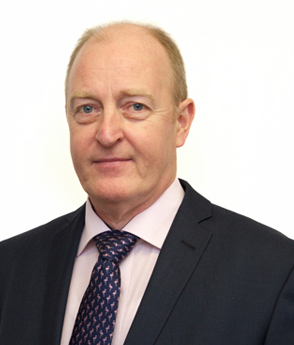
Hugh Phelan — Notary Public Cork
Solicitor & Notary Public appointed by the Chief Justice of Ireland. Over 20 years' experience. BCL (UCC), dual-qualified Ireland & England/Wales.
📍 Notary Public Cork — Hugh Phelan
Need a Notary Public in Cork? Hugh Phelan is a Solicitor & Notary Public appointed by the Chief Justice of Ireland, based at East Douglas Street, Douglas, Cork. Same-day appointments available.
Also see: Cork Notary Public